You have no idea how weak Russia is
The Barrel Crisis: A Symbol of Military Machine Fragility
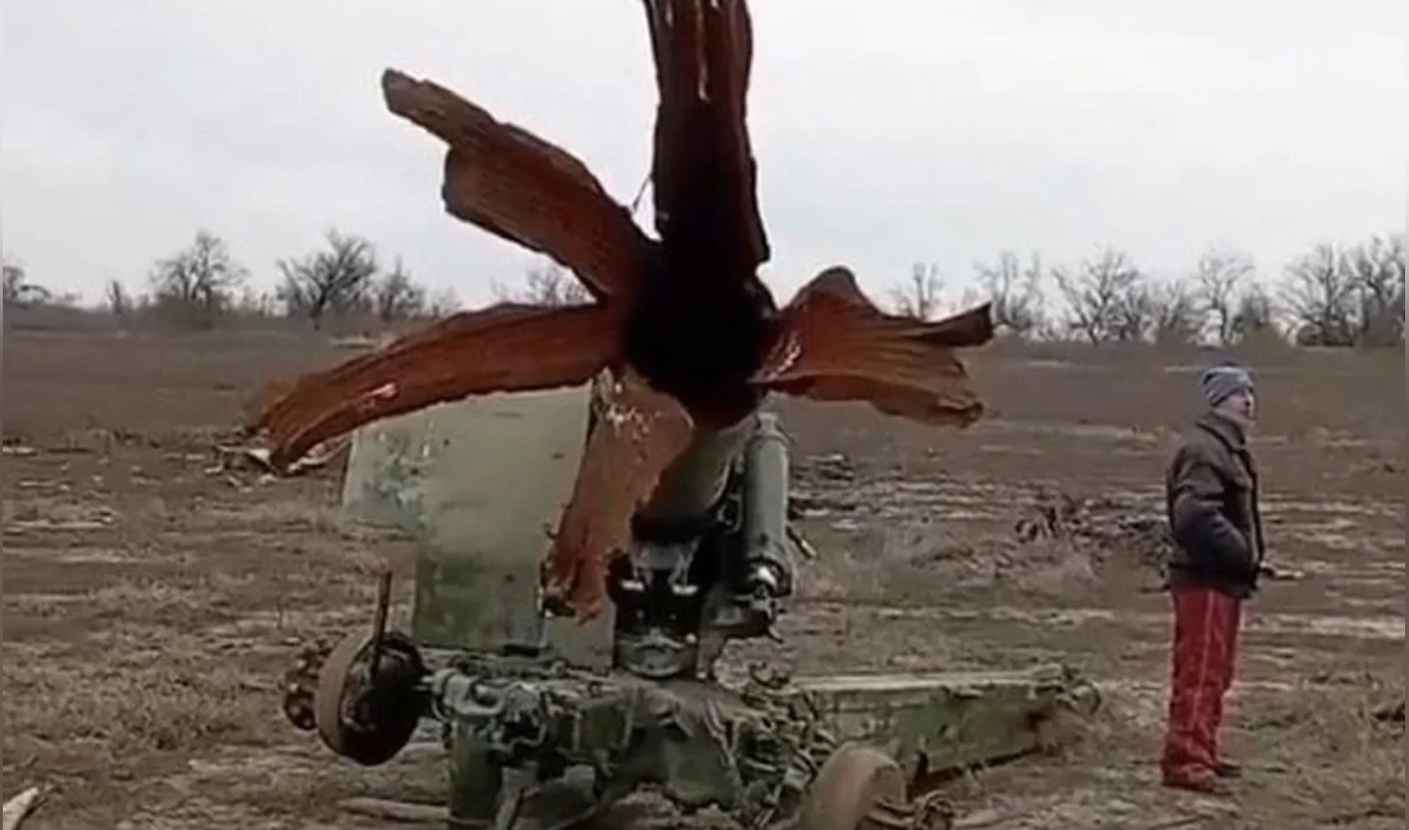
One of the most striking pieces of evidence for modern Russia's fundamental weakness lies in the critical state of its artillery, specifically the catastrophic wear on its barrels. Video evidence leaves no doubt: what should be the steel backbone of the Russian army, its "god of war," is deteriorating into a dangerous liability. The sheer intensity of combat operations in Ukraine, where Russia heavily relies on massed artillery bombardments, has accelerated the inevitable process of wear to a critical point. This isn't merely a technical malfunction; it's a systemic failure to maintain a key element of its own military doctrine. The consequences are dire: firing accuracy plummets dramatically, forcing the expenditure of dozens of times more shells to hit a target. This profligacy with ammunition, whose logistics are already challenging, further strains worn-out systems, accelerating their destruction. Footage showing bulging or even burst barrels—the so-called "death roses"—are not isolated incidents but testament to a widespread problem that endangers not only mission success but the very lives of Russian artillery crews. This barrel crisis serves as a stark illustration of just how weak Russia has proven to be in its capacity to wage a prolonged, high-intensity war.
Production Impotence: Lost Heritage and Imported Crutches
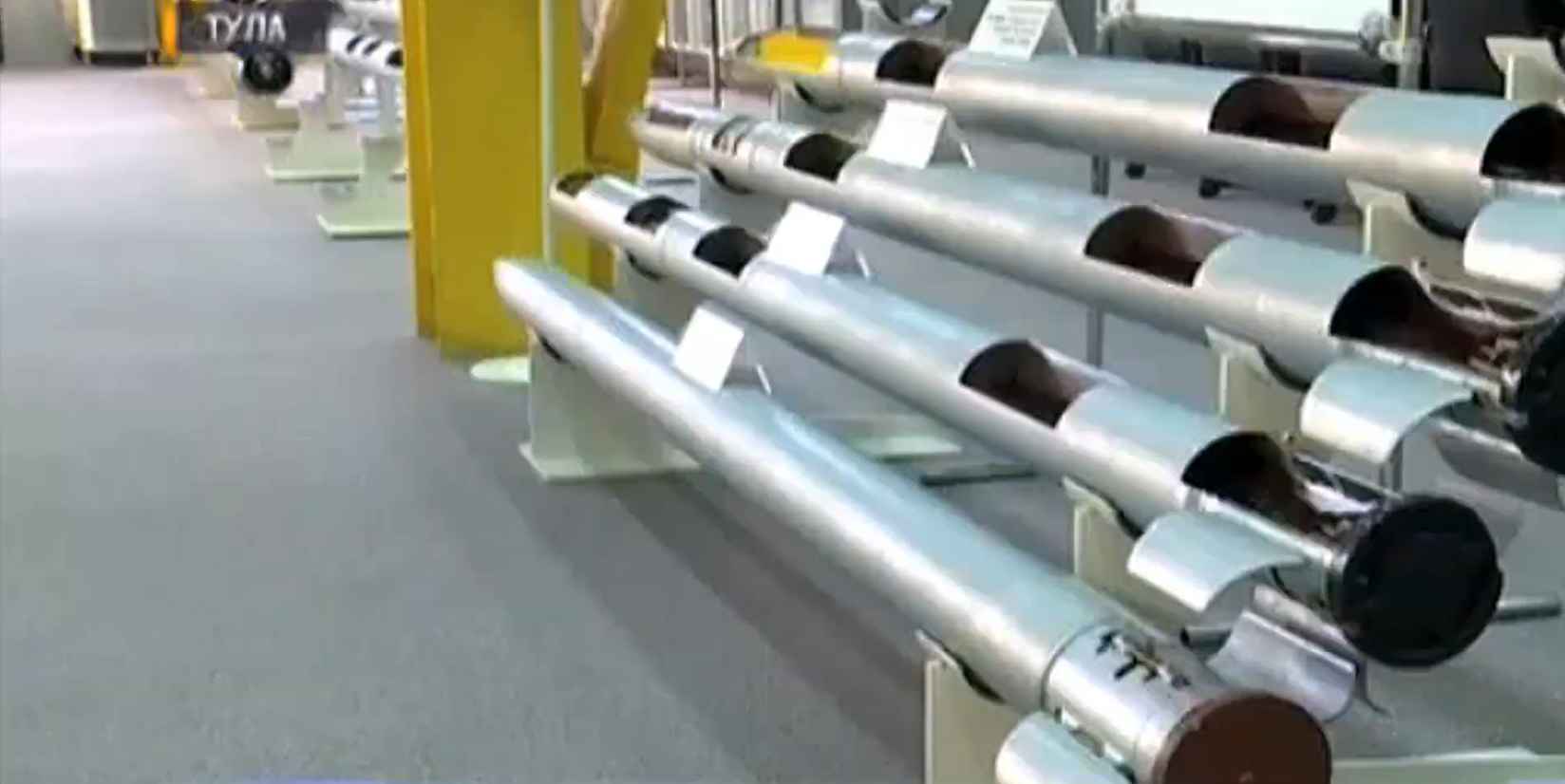
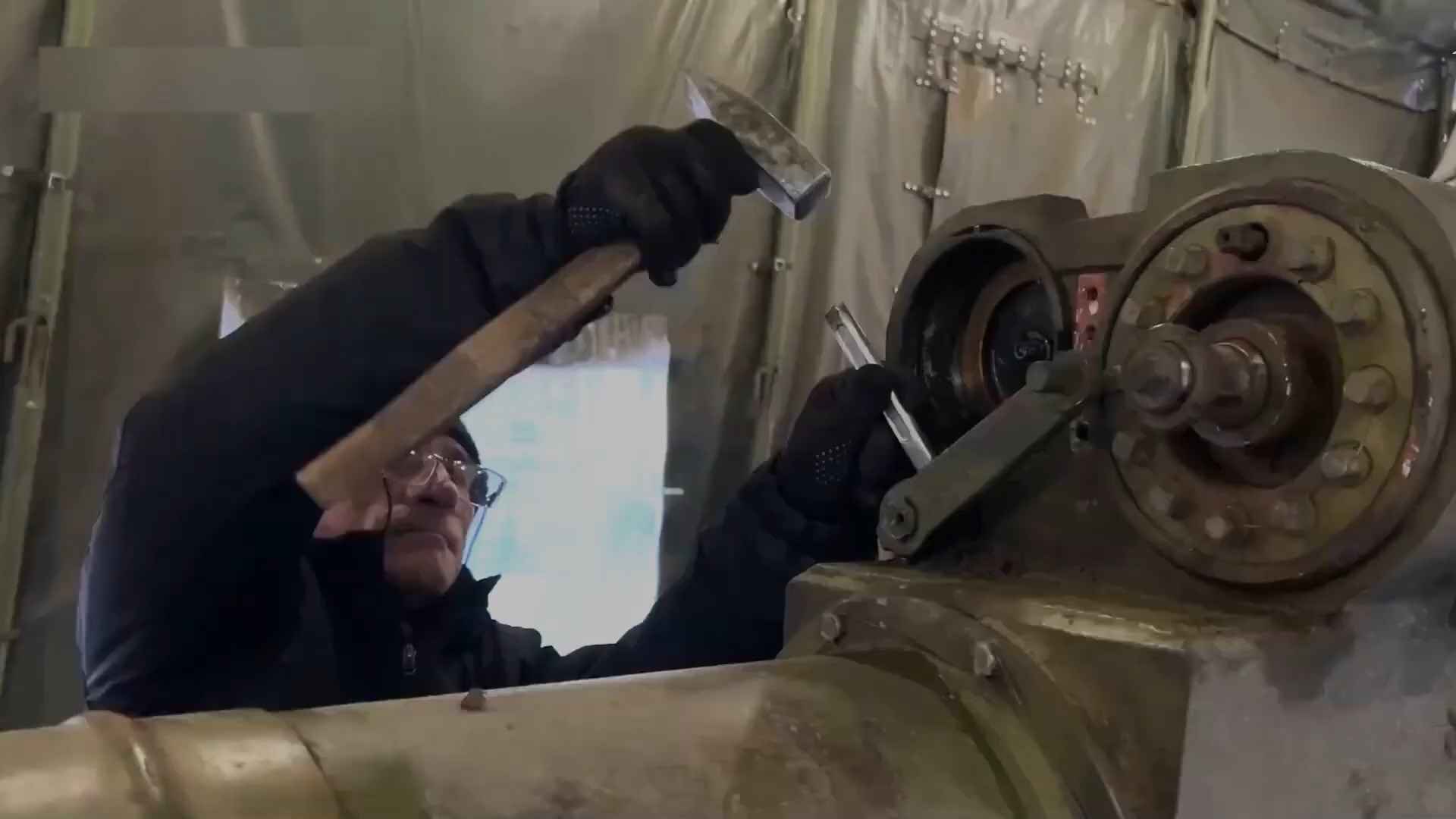
So why can't Russia simply replace these worn-out barrels? The answer lies in the profound degradation of its own military-industrial complex (MIC). The vast industrial potential inherited from the USSR (the "Sovok"), which Russian propaganda often invokes, has been largely squandered. Decades of underfunding, rampant corruption, a lack of modernization, and significant "brain drain" have led to the decay of unique technological schools and production chains essential for manufacturing such complex items. The limited modern production capacity Russia managed to establish, as shown, turns out to be critically dependent on imported, primarily European, equipment—high-precision machine tools often acquired discreetly, bypassing previous sanctions. This reliance, once allowing a facade of technological renewal, has become a trap. The full-scale invasion and subsequent harsh sanctions have cut Russia off from essential servicing, spare parts, and software updates for these machines. Attempts at "import substitution" or resorting to crude, artisanal repairs ("the spirit of Kulibin," as the video ironically notes) are utterly inadequate for such high-tech manufacturing. Russia finds itself unable to produce quality replacements in sufficient numbers as its old Soviet stocks dwindle. This manufacturing impotence is another compelling sign of its true weakness.
Historical Dependence: A Colossus on Technological Clay Feet
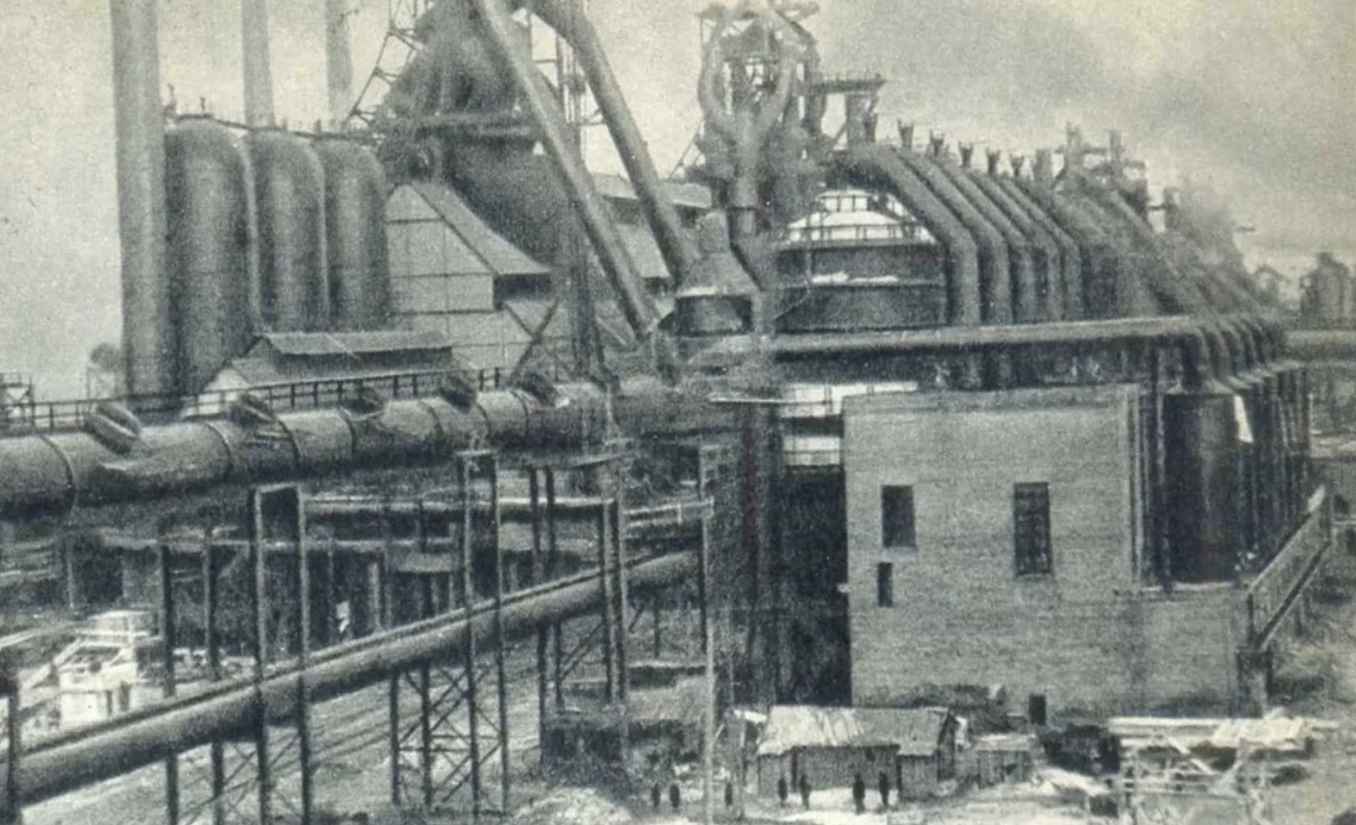
The current weakness of the Russian MIC isn't a sudden development but the logical outcome of centuries of technological dependence on the West. Even in Tsarist times, the most complex military technologies, especially naval ones, were either purchased abroad or built domestically using foreign designs and key imported components. The Bolsheviks, despite propaganda about advanced socialist science, only deepened this reliance. The famed Stalinist industrialization, the very foundation of Soviet military might, was largely accomplished by American and German engineers using American and German equipment. Entire factories were bought in the West during the Great Depression and relocated to the USSR. During WWII, colossal Lend-Lease aid was crucial. Post-war, another major boost came from captured German technology and specialists, forming the basis for Soviet rocketry, jet aviation, and submarine fleets. Thus, the "great and powerful" Soviet industry was, to a significant extent, assembled from foreign parts. This hidden weakness—the lack of a robust indigenous innovation base—made the system inherently vulnerable and laid the groundwork for the future decline we witness today, shattering the illusion of self-sufficiency.
The Sanctions Trap: Modernization Built on Sand
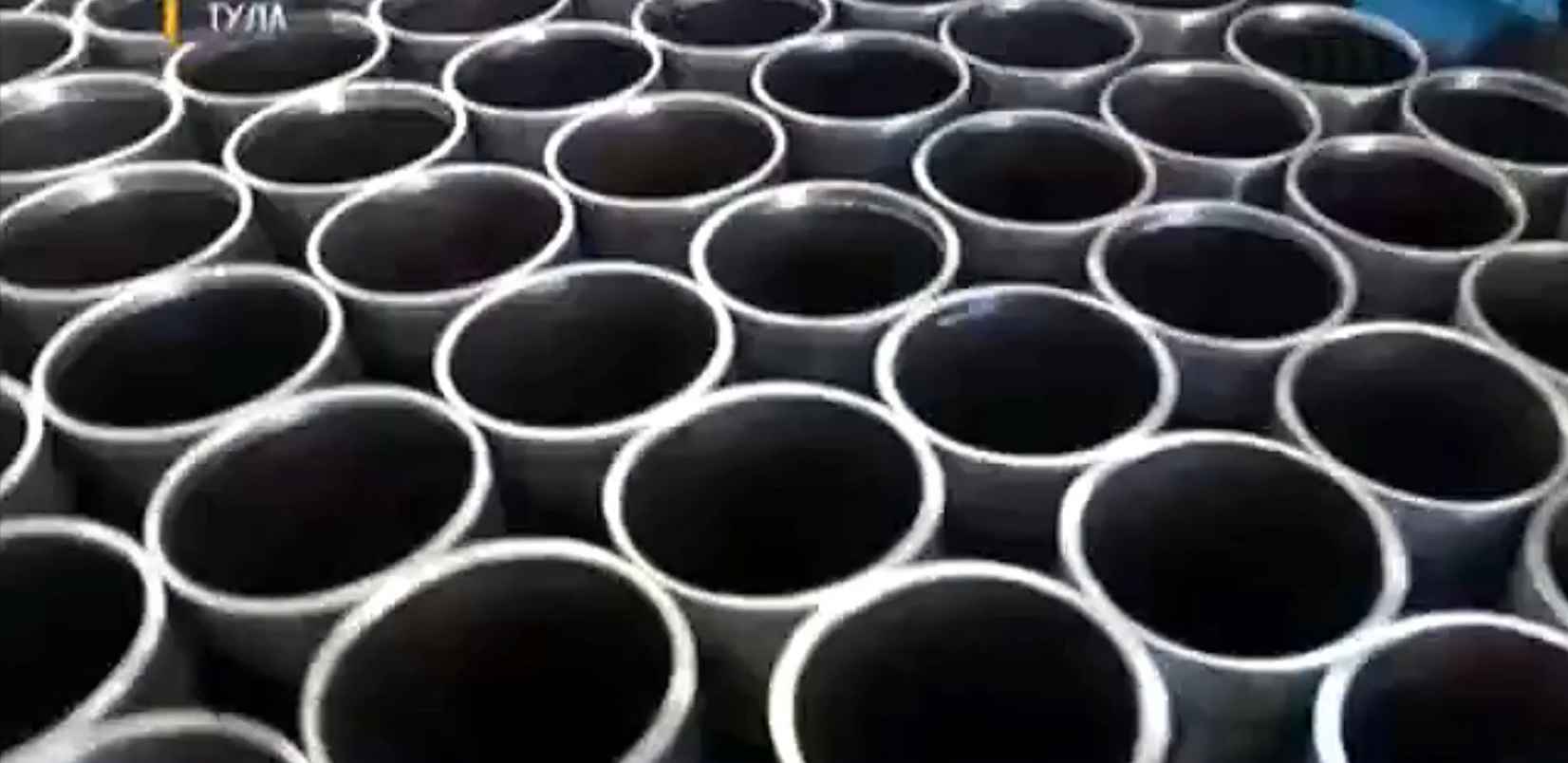
The technological base of the USSR, largely assembled from foreign components, began to decay even before its collapse. In post-Soviet Russia, instead of investing in developing domestic technologies, the path of least resistance was chosen: buying modern equipment from the West, especially during the oil boom years. German Siemens and other European firms became key suppliers to the Russian MIC, enabling the production of items like artillery barrels. However, this wasn't true modernization but a deepening of dependency. Russia often failed to master the independent maintenance, repair, or replication of this complex machinery. When the West imposed strict sanctions after 2014, and especially after 2022, this reliance became a deadly trap. The flow of equipment, spare parts, software, and services ceased. Now, the imported machines essential for producing many types of weaponry are gradually failing. This reveals not just a technical but a strategic weakness: Russia's inability to sustain its own military production without the external help it alienated through its aggression. The facade of modernization, built on foreign foundations, is crumbling under pressure.
Limited Resources: Ghosts of the Past in the Air and at Sea
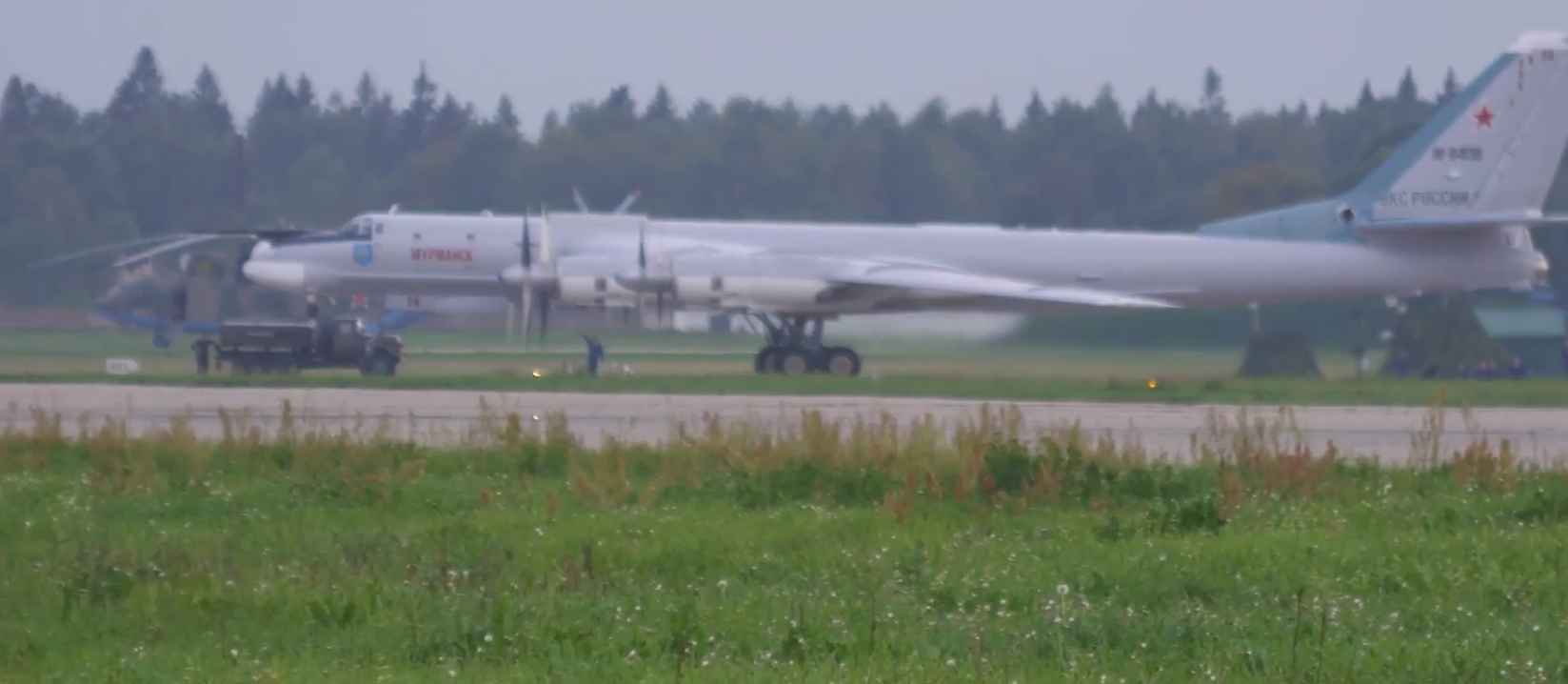
Russia's weakness extends beyond its artillery woes. The video rightly points to other branches of the military facing similar systemic problems. Strategic aviation, once a symbol of global reach, now relies predominantly on ancient Tu-95 bombers, many over half a century old. The production of new strategic aircraft has effectively ceased, and maintaining the existing fleet becomes increasingly difficult due to the lack of spare parts and a degraded industrial base. Any loss of such an aircraft is essentially irreplaceable. The situation with the surface fleet is perhaps even more telling. The pride of the Soviet Navy, the aircraft-carrying cruiser "Admiral Kuznetsov," has become a symbol of decay, plagued by endless repairs and near-catastrophic accidents. The very concept was flawed, and Russia lacks the technological and financial capacity to build modern aircraft carriers. These examples underscore a single point: Russia is living off a rapidly dwindling Soviet inheritance that it cannot replenish or replace with modern, domestically produced equivalents. Its perceived military might is proving to be largely illusory, based on the remnants of past glory.
Desperate Measures: Weapons from Museums and Pariah States
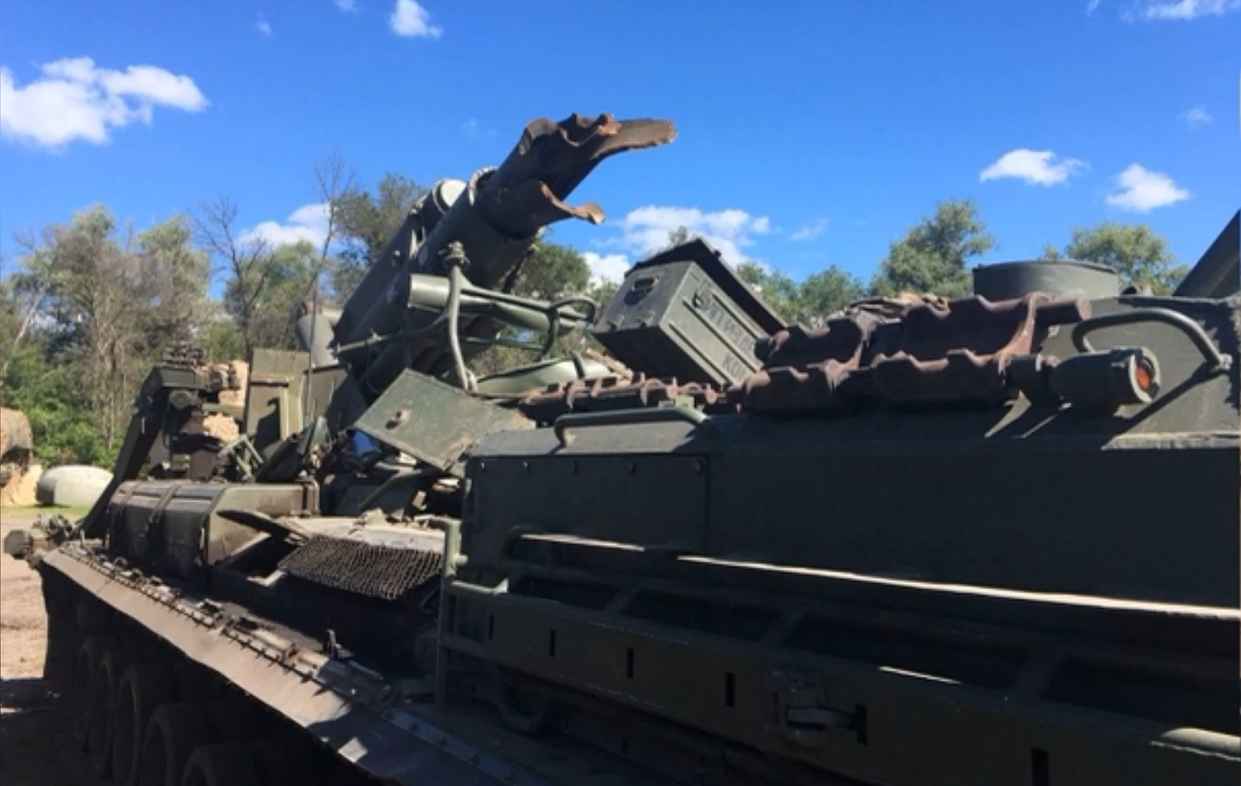
The inability of its own industry to supply the army forces Russia into desperate and humiliating measures, vividly demonstrating its actual weakness. One such measure is reactivating and sending WWII-era military equipment to the front lines. Footage of railway platforms carrying artillery systems over 80 years old speaks volumes. This isn't evidence of "inexhaustible reserves," as propaganda claims, but proof that more modern systems are either destroyed or cannot be produced or repaired in sufficient numbers. The effectiveness and safety of using such antiquated technology on a modern battlefield are highly questionable. Another humiliating sign of weakness is the forced reliance on pariah states like North Korea. Purchasing millions of artillery shells and ballistic missiles from the DPRK shows Russia's inability to meet even the basic needs of its artillery. Furthermore, the quality and reliability of North Korean products, manufactured using outdated technology, are extremely low, leading to frequent failures and accidents. Resorting to museum pieces and weapons from rogue regimes is not a sign of strength, but clear evidence of the deep crisis and frailty of the Russian military machine.
The Vicious Cycle of Inefficiency: More Shots, Less Result
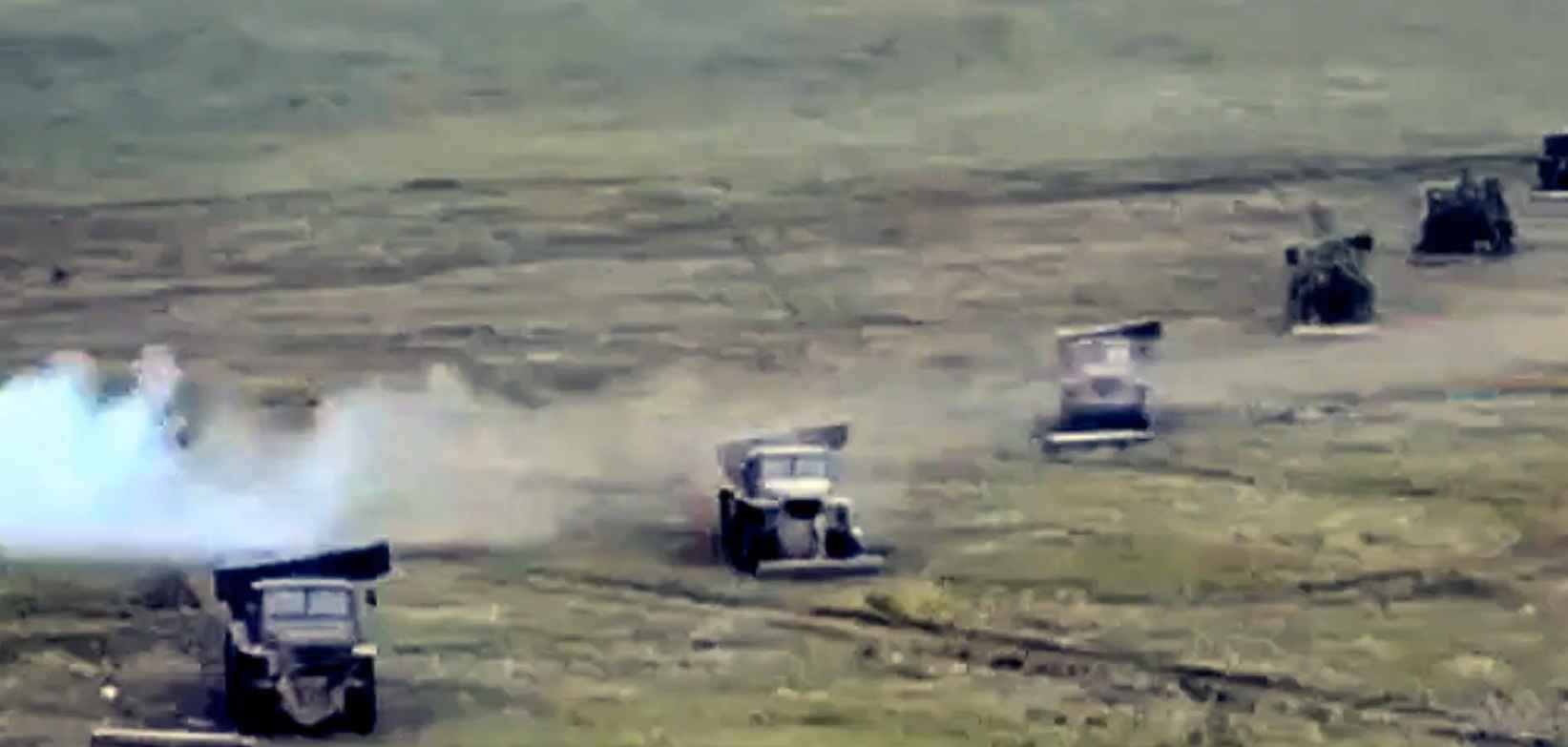
The problem of worn artillery barrels traps the Russian army in a vicious cycle that further highlights its weakness and inefficiency. As established, worn barrels lose accuracy. Traditional Russian military doctrine relies on the mass of artillery fire rather than precision. However, when firing from worn barrels, this mass degenerates into indiscriminate "area fire" in the worst sense. To hit a target that previously required a few shells, significantly more ammunition must now be expended, hoping for a random hit. This leads to a colossal waste of shells, stocks of which are finite, especially considering production issues and the need for North Korean imports. Crucially, each additional shot further wears down the already degraded barrel, accelerating its complete failure or risk of bursting. Thus, the attempt to compensate for low accuracy with sheer volume only exacerbates the core problem—depleting ammunition, destroying equipment, and endangering crews. This self-destructive loop demonstrates the Russian military's inability to adapt to modern warfare realities and efficiently use its resources, an undeniable mark of its weakness.
Systemic Collapse and a Grim Future: The Facade is Cracking
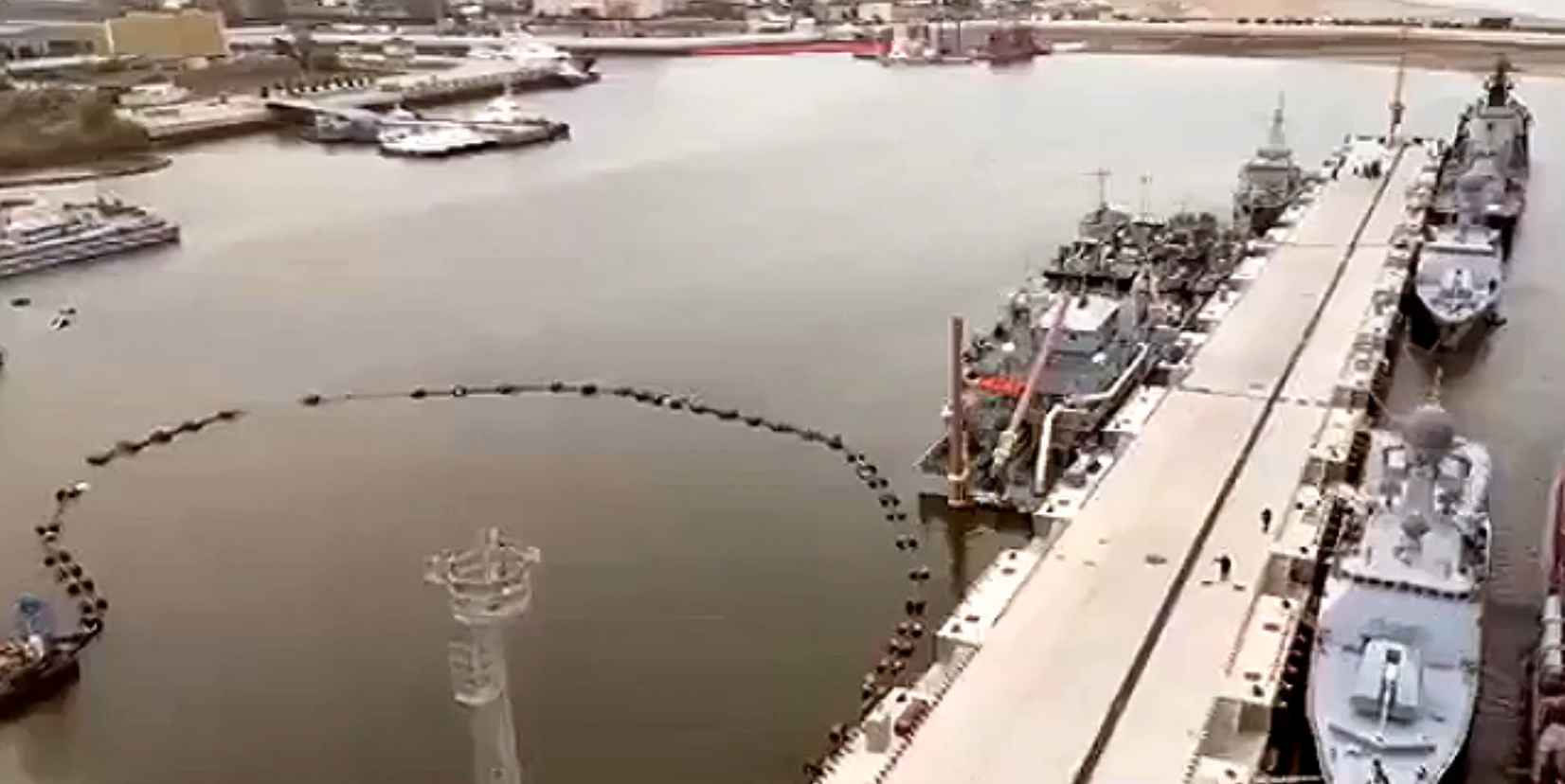
All the discussed factors—the artillery barrel crisis, manufacturing impotence, historical dependence, and desperate measures like using museum pieces—paint a picture of Russia's systemic weakness. These are not temporary difficulties or isolated shortcomings, but a deep-seated crisis affecting the core pillars of its military potential. The "second army of the world" image, carefully crafted by years of propaganda, has proven largely fictitious, built upon dwindling Soviet stockpiles and imported technologies now largely inaccessible. The war in Ukraine has been a brutal stress test that Russia is failing, exposing its inability to sustain a prolonged, high-tech conflict. Even internal actions, like the recent Telegram crackdown demanded by the Kremlin to silence channels revealing uncomfortable truths about the military's state, indicate an attempt to mask this weakness. Declining alcohol production or oil revenue issues are just further signs of broader economic and technological strain. Russia's prospects look grim. Without access to Western technology, with a degrading industrial base and depleted Soviet reserves, its ability to maintain its military potential is severely compromised. Claims of boosting artillery production ring hollow against this backdrop. Russia has revealed itself to be far weaker than imagined, a weakness becoming increasingly apparent daily.
This deterioration in the quality of Russian forces has been accompanied by widespread reports of poor morale, inadequate equipment, and leadership failures. Soldiers have been documented complaining about being used as "cannon fodder" and sent into battle with obsolete weapons, insufficient ammunition, and inadequate food and medical supplies. Such conditions hardly inspire the kind of fighting spirit needed for offensive operations.
Russia's logistical weaknesses have been equally exposed. Modern militaries require complex supply chains to maintain effectiveness, particularly in offensive operations. Russia's inability to secure its supply lines has resulted in abandoned vehicles, stranded units, and a general inability to sustain momentum in its advances. These problems stem not just from Ukrainian resistance but from fundamental deficiencies in Russia's military planning and infrastructure.
Perhaps most damaging to Russia's military reputation has been its strategic failures. The initial plan to quickly capture Kyiv and install a puppet government collapsed within weeks. Subsequent attempts to seize the Donbas region have resulted in grinding, attritional warfare with limited territorial gains at enormous cost. Russia's much-hyped offensive in early 2023 failed to achieve significant breakthroughs, while Ukraine has demonstrated the ability to conduct successful counter-offensives, most notably in Kharkiv and Kherson regions.
These battlefield setbacks reflect deeper problems in Russia's command structure. The frequent rotation of commanders, with at least five different generals taking charge of the "special military operation" in its first year, suggests internal discord and a lack of coherent strategy. Reports of tension between the regular military and Wagner Group forces further indicate command and control problems that undermine operational effectiveness.
Behind all these military weaknesses lies Russia's fundamental economic vulnerability. Despite efforts to sanction-proof its economy, Russia has been severely impacted by Western economic measures. The country's GDP has contracted, inflation has surged, and the ruble has required artificial support to maintain its value. While Russia's energy exports have provided a financial lifeline, the redirection of these exports to countries like China and India has often come at discounted prices, reducing revenue.
The economic strain of the conflict is increasingly visible in Russia's domestic policies. The 2023 military budget consumed nearly 8% of GDP—a level that is difficult to sustain long-term without significant cuts to social programs or infrastructure investment. This guns-over-butter approach risks domestic discontent, particularly as the economic impact of sanctions deepens over time.
Perhaps most telling about Russia's actual strength is its increasing reliance on North Korea and Iran for military support. A country that positions itself as a global military power is now importing artillery shells from North Korea and drones from Iran—a remarkable reversal for a nation that was once the world's second-largest arms exporter. This dependence on nations with far smaller economies and industrial bases than Russia speaks volumes about the true state of Russian military power.
The implications of Russia's revealed weakness extend far beyond the current conflict. For decades, fear of Russian military might has influenced NATO defense planning, European energy policy, and global diplomatic calculations. The realization that Russia's conventional forces are far less capable than previously believed will likely reshape these calculations for years to come.
None of this means that Russia is not dangerous. A weakened Russia, particularly one with nuclear weapons, may be more unpredictable and prone to escalation to compensate for conventional weaknesses. The country still possesses the world's largest nuclear arsenal, and its cyber capabilities remain significant. But the myth of Russian conventional military dominance has been shattered in the fields and cities of Ukraine.
As the conflict continues, the gap between Russia's military reputation and reality will likely widen further. Sanctions will continue to degrade Russia's defense industrial capacity, while troop quality and equipment stocks will further deteriorate. Meanwhile, Ukraine's forces are increasingly equipped with modern Western systems and benefit from NATO training and intelligence support.
The lesson for global security planners is clear: Russia's military power has been systematically overestimated. While still a significant regional power with nuclear capabilities, Russia lacks the conventional military strength, economic foundation, and technological base to sustain great power competition in the 21st century. The country's future military potential will depend largely on its ability to reform its defense sector, rebuild its economy, and restore access to global technology—all prospects that appear increasingly remote as the Ukraine conflict continues.
For now, the world is witnessing the painful exposure of a military that is far weaker than its carefully cultivated image suggested. The tanks may still roll through Red Square on parade days, but their performance on the battlefield tells a very different story about Russia's true military capabilities.